

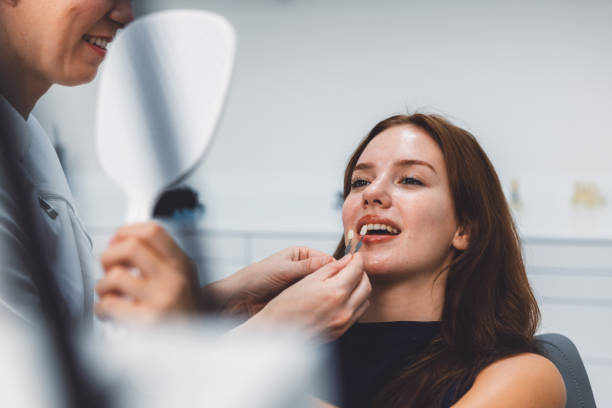
Porcelain veneers are thin shells that stick to the front of your teeth to make them look whiter and straighter. Once you get them, you need to take care of them a little differently than before. Learning how to care for porcelain veneers is easy and doesn’t take much extra work. The most important thing is being gentle and avoiding habits that can damage them. A dental clinic near you can teach you exactly what to do to keep your porcelain veneers near you looking beautiful for years.
What Are Porcelain Veneers, Really?
Think of porcelain veneers in Carstairs like tiny caps for your teeth. They’re made from a white ceramic material that looks exactly like real teeth. Your dentist glues them to your teeth with special cement, and they stay there permanently. They don’t come out like dentures do. They become part of your smile.
When you get veneers, your teeth care routine changes a little bit. You’ll still brush and floss every day, just like you do now. But you need to be more careful and gentler. It’s kind of like the difference between washing a regular dish and washing a fancy plate—you do it the same basic way, but you’re a bit more careful.
The good news is that taking care of veneers is not hard or time-consuming. You just need to learn a few simple rules, and then it becomes normal. After a few weeks, it feels natural.
How to Brush Your Teeth the Right Way
Brush as you normally would, twice a day. Just make sure you are using a soft-bristled toothbrush and not one of the harder, more aggressive ones. Hard bristles will reduce the glossy look of your veneers. When brushing, use light, circular motions rather than hard back-and-forth strokes.
Don’t put much pressure where your veneers meet your gums. This is the area where your veneer attaches to your real teeth and is the most vulnerable. Avoid vigorous scrubbing or exerting pressure on this point. Use gentle, soft strokes.
Electric toothbrushes are fine to use. Just pick one that’s made for sensitive teeth. Don’t press too hard when you use it. Let the brush do the work without pushing it into your gums.
Flossing Is Really Important
Floss every single day between your teeth and along your gum line. This is even more important now than before. If you don’t floss, your gums can get sick. Sick gums can make your veneers fail and fall off.
Floss gently. Don’t snap it down hard or pull it side to side with force. Slide it slowly between your teeth and move it up and down softly along the gum line. Take your time. Gentle flossing protects both your real teeth underneath and the veneer bond.
Things You Should Never Do
Stop using your teeth as tools. Don’t open packages, bottles, or bags with your teeth. Don’t tear tape or rip things open with your mouth. Use your hands or real tools instead. This is one of the easiest ways to crack or chip a veneer.
Don’t chew on hard things. Ice, hard candy, nuts in their shells, popcorn kernels, and hard mints can damage your veneers. Even chewing on pen caps or ice from your drink is risky. Think before you chew.
If you grind your teeth at night, tell your dentist. Grinding puts huge pressure on your veneers and makes them crack. Your dentist can make you a special night guard to wear while you sleep. This protects your veneers while you’re resting.
Choosing the Right Toothpaste and Rinse
Use toothpaste for sensitive teeth. Using regular whitening toothpaste can damage the veneer. Avoid large-grain whitening toothpaste. Look for products that are soft in nature.
Use a mouth rinse that doesn’t have alcohol in it. Alcohol can weaken the cement that holds your veneers to your teeth. Ask your dentist which rinses are safe for veneers.
What You Eat and Drink Matters
Veneers can stain if you’re not careful. Red wine, coffee, tea, and dark sodas can make them look dull over time. You don’t have to stop drinking these things, but rinse your mouth with water afterward. This washes away the staining liquid before it can stick.
Don’t eat very hot foods or very cold foods right after getting veneers. Give it a few days first. After that, be careful about extreme temperatures. Going from steaming hot soup straight to ice water puts stress on your veneers.
Sticky foods like caramel, taffy, and gum can pull on veneers. Some people do fine with these foods, but others have problems. If you chew gum, pick one that’s safe for teeth with veneers, or just skip it.
Go to Your Dentist Regularly
It’s important to visit your dental clinic in Carstairs twice a year. Even if your teeth seem fine. Keep your gums healthy with regular checkups and cleanings. If your gums are healthy, the veneers fit well.
Don’t skip these visits. Small problems are easy to fix when your dentist catches them early. If you wait until something hurts, the fix becomes bigger and costs more money.
How to Make Porcelain Veneers Last Longer
If you are asking this question, “How do you clean porcelain veneers properly?” We suggest using a soft touch, the right products, and gentle cleaning methods. Avoid things that stress your veneers. This combination makes them last much longer.
Your veneers are custom-made just for you. Taking care of them shows you value your investment. Most people find that veneer care becomes automatic after a few weeks. Soon you won’t even think about it—it’s just part of your routine.
Your Smile Is Worth the Care
The experts at Mountain View Smiles recognize that every smile is unique, which is why we take the time to listen closely to you. We break it down in easy-to-understand language and show you exactly how to keep your veneers in perfect condition. We will not use complex words or complicate things. All we want is your smile and comfort. If you need help with anything to do with veneers, have a quick question, or need a touch-up, we can help. At our dental clinic, we will treat you with the utmost respect and care. Our goal is to maintain the health of your smile for years to come!
Questions People Ask About Taking Care of Veneers
Can you make veneers whiter at home with whitening strips?
No, whitening products don’t work on veneers, but your dentist can whiten your natural teeth underneath if the colours don’t match anymore.
How long do veneers usually last before you need new ones?
With good care, most veneers last between 10 and 15 years, and some people keep theirs even longer.
Is it safe to use an electric toothbrush on veneers?
Yes, electric toothbrushes are completely fine as long as you use one made for gentle cleaning and don’t press too hard.
What should you do right away if a veneer cracks or chips?
Call your dentist as soon as possible—small chips can often be fixed quickly, and getting help fast prevents bigger problems later.