

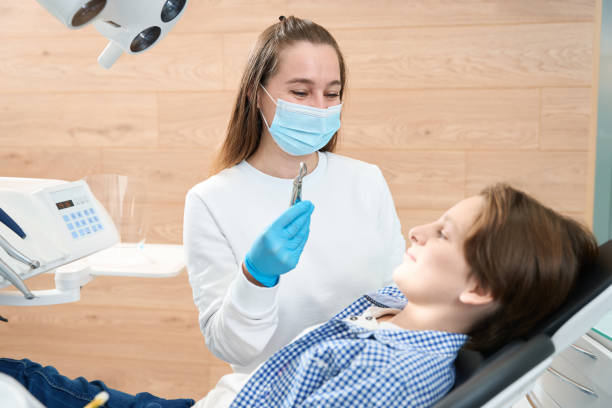
Healing after a tooth extraction can take a few days to a few weeks. The time depends on the tooth removed and your overall oral health. Some soreness, swelling, or tenderness is common during the first few days. The area slowly heals as new tissue grows. Tooth extractions in Carstairs may have different healing times depending on the type of extraction. Following your dentist’s aftercare instructions can help the area heal and lower the risk of problems.
Understanding what to expect during each stage can make recovery easier to manage and help identify when additional dental care may be needed.
How Long Does Tooth Extraction Recovery Take?
You can usually return to many normal activities within a few days. However, the extraction area may take longer to heal fully. Healing time depends on the tooth, how difficult the extraction was, and how your body heals.
A general recovery may look like this:
- First 24 hours: Protect the extraction area and avoid activities that may disturb the healing site.
- Days 2–3: Swelling and soreness may be more noticeable but should begin to improve.
- Days 4–7: Daily activities often become easier as discomfort decreases.
- Following weeks: The gum continues to heal, and the extraction area gradually closes.
How Long to Rest After Tooth Extraction?
The amount of rest needed depends on the type of extraction and how the body responds. For a straightforward extraction, a period of rest on the day of treatment may be enough for many people.
If you want to know how long to rest after a tooth extraction, avoid heavy lifting, exercise, and hard activities during the first few days. You may need more rest if the extraction was difficult or involved more treatment.
When Can I Go Back to Work After Tooth Extraction?
The answer depends on the type of work and the extraction. People with desk-based jobs may be able to return sooner if discomfort is manageable. Jobs involving heavy physical activity may require more time away from work.
When considering when I can go back to work after tooth extraction, factors such as swelling, pain, the type of extraction, and the physical demands of the job should be considered.
What Should Be Avoided During Early Recovery?
The first few days after a tooth extraction are important for healing. Some activities can disturb the area and slow healing.
Avoid:
- Smoking or using tobacco
- Drinking through a straw
- Rinsing your mouth too hard
- Heavy exercise
- Touching the area with fingers or objects
- Hard or crunchy foods that may irritate the site
Following the aftercare instructions provided after tooth extractions near you can help support a smoother recovery.
When Can I Brush My Teeth After a Tooth Extraction?
Brushing your teeth is still important after a tooth extraction. Brush gently and be careful around the extraction area. You can brush your other teeth as usual, but avoid touching the extraction site while it heals.
Use gentle movements and follow any specific instructions provided after treatment. Keeping the rest of the mouth clean can help support good oral health while the area heals.
What Can Be Eaten After an Extraction?
Soft foods are often easier to manage during the first part of recovery. Foods that require little chewing can reduce irritation around the extraction area.
Suitable choices may include:
- Yogurt
- Mashed vegetables
- Soft eggs
- Smooth soups that are not hot
- Applesauce
- Soft pasta
As healing progresses, regular foods can usually be added gradually based on comfort and dental instructions.
When Should a Healing Extraction Be Checked?
Some discomfort is expected after an extraction, but symptoms that become worse instead of better may need attention. A dentist in Carstairs can check the extraction site if there are concerns during recovery.
Contact a dental professional if there is:
- Severe or worsening pain
- Heavy bleeding that does not settle
- Increasing swelling
- Fever
- Pus or unusual discharge
- Difficulty breathing or swallowing
Prompt attention can help identify whether the area is healing as expected.
Factors That Can Affect Recovery
Recovery is not the same for everyone. The healing period can depend on:
- The location of the tooth
- The difficulty of the extraction
- The number of teeth removed
- Overall oral health
- Following aftercare instructions
- Smoking or tobacco use
- Individual healing response
Tooth extractions in Carstairs should be followed by the care instructions provided for the specific extraction.
Give Your Mouth Time to Heal!
Taking good care of the area after a tooth extraction can support healing. Protect the area, eat soft foods, keep your mouth clean, and follow your dentist’s instructions. Watch for signs such as increased pain, swelling, or bleeding. If these symptoms get worse, contact a dentist near you for a check-up.
Book an appointment with Mountain View Smiles to discuss your extraction care, recovery questions, and any concerns about how the area is healing.
FAQs
Can I drink water after a tooth extraction?
Yes. Drinking water is important during recovery. Take small, gentle sips and avoid using a straw because the sucking motion can disturb the healing area.
Can I use mouthwash after a tooth extraction?
Avoid rinsing hard right after a tooth extraction because it can disturb the healing area. Your dentist can tell you when it is safe to use mouthwash and how to rinse gently.
Can I smoke after having a tooth removed?
Smoking can slow healing and may cause problems at the extraction site. It is best to avoid smoking while the area heals and follow your dentist’s instructions.
Will the extraction area always stay open?
No. The gum slowly heals, and the opening gets smaller over time. Healing time can be different for each person and depends on the tooth that was removed.