

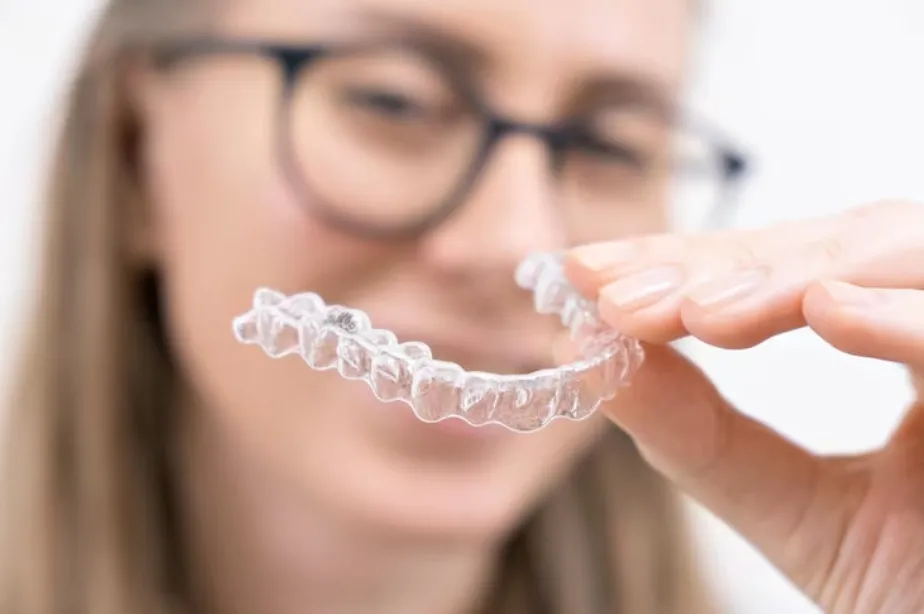
Many people notice that their teeth do not line up properly when they bite down. It can affect chewing, speech, and confidence. Clear aligners have become a popular option, and for those considering Invisalign in Carstairs, many patients still ask an important question: Can clear aligners correct bite problems, or are braces the only solution? This guide explains how Invisalign works for common bite concerns.
What is a Bite Problem?
A bite problem happens when the top and bottom teeth do not meet the right way. It can place stress on teeth and jaws over time.
Common bite problems include:
- Overbite.
- Underbite.
- Crossbite.
Each one affects the mouth differently, but early and proper care can help guide teeth into a healthier position.
What is an Overbite and How Does It Affect Teeth?
An overbite happens when the top front teeth cover too much of the bottom front teeth.
Possible effects of an overbite include:
- Tooth wear from extra pressure.
- Jaw discomfort.
- Trouble biting into food.
- Changes in smile appearance.
Clear aligners can gently move teeth into a more balanced position when the overbite is mild to moderate.
Can Invisalign Help Correct an Overbite?
Yes, in many cases it can. Invisalign uses a series of clear trays that slowly guide teeth into better alignment.
How aligners help with an overbite:
- Move front teeth into a more natural position.
- Improve how the top and bottom teeth meet.
- Reduce uneven pressure on teeth.
For many patients choosing Invisalign in Carstairs, aligners offer a comfortable and less noticeable way to address overbite concerns.
What is an Underbite and Why is It a Concern?
An underbite occurs when the bottom teeth sit in front of the top teeth.
This type of bite may cause:
- Difficulty chewing.
- Speech concerns.
- Faster tooth wear.
- Jaw strain.
Underbites can vary in severity. Some are caused by tooth position, while others involve jaw growth.
Can Invisalign Fix an Underbite?
Invisalign may help with mild to moderate underbites caused mainly by tooth alignment.
It can:
- Shift teeth to improve how they meet.
- Balance bite pressure.
- Support better chewing function.
More complex underbites may need additional dental planning. A proper assessment helps decide the right path forward.
What is a Crossbite and How Does It Impact Oral Health?
A crossbite happens when some top teeth bite inside the bottom teeth instead of outside.
It may lead to:
- Uneven tooth wear.
- Gum irritation.
- Jaw shifting over time.
Crossbites can affect one tooth or several teeth on one or both sides of the mouth.
Can Invisalign Correct a Crossbite?
Yes, aligners can guide teeth into a healthier position for many crossbite cases.
Benefits include:
- Better bite balance.
- Reduced strain on teeth and gums.
- Improved smile symmetry.
Patients looking for Invisalign near you often appreciate that aligners work gradually and fit easily into daily life.
How Does Invisalign Compare for Different Bite Types?
| Bite Type | Can Invisalign Help? | Treatment Depends On |
|---|---|---|
| Overbite | Yes (mild to moderate) | Tooth position |
| Underbite | Sometimes | Severity and cause |
| Crossbite | Often | Number of teeth involved |
Each case is different. A personalized plan helps decide if aligners are the right choice.
How Long Does Invisalign Treatment Take for Bite Issues?
Treatment time varies depending on the bite problem and how much movement is needed.
General timelines:
- Mild cases: 6–12 months.
- Moderate cases: 12–18 months.
- More complex cases: longer plans may be needed.
Wearing aligners as directed plays a big role in progress.
Who is a Good Candidate for Invisalign?
Clear aligners may be suitable if you:
- Have mild to moderate bite concerns.
- Want a removable option.
- Can wear aligners daily as advised.
A visit to an Invisalign Didsbury dental clinic can help confirm whether aligners fit your needs and goals.
What Should You Expect During Invisalign Treatment?
During treatment, patients usually experience:
- Gentle pressure as teeth shift.
- New aligners every few weeks.
- Regular progress checks.
Daily habits that support success include:
- Wearing aligners as directed.
- Cleaning trays regularly.
- Keeping up with oral care visits.
Choosing a nearby clinic makes follow-up visits easier and helps keep treatment on track.
Can Invisalign Fix Overbite, Underbite, and Crossbite Effectively?
Many patients ask if one solution can handle all three bite concerns. The answer depends on the case. For many people, Invisalign can fix overbite, underbite and crossbite effectively, and the answer is answered with a confident yes when the issue is mild or moderate and properly planned.
Clear aligners offer:
- Gradual tooth movement.
- Improved bite balance.
- A discreet treatment option.
Why Early Evaluation Matters
Addressing bite problems early can:
- Prevent further tooth wear.
- Reduce jaw discomfort.
- Support long-term oral comfort.
The earlier the alignment begins, the easier it is with the guidance of a dental clinic near you to guide teeth into a healthier position.
A Healthier Bite Starts with Mountain View Smiles
At Mountain View Smiles, your smile journey is guided with care, clear communication, and personalized planning. Right from comfort to building confidence to aligner balance bite, the process is designed to suit your needs.
Contact Mountain View Smiles today to schedule a consultation with Invisalign and start your journey to a healthier, straighter smile.
👉 Transform your smile with confidence. Click here for easy directions to Mountain View Smiles.
FAQs
Can Invisalign fix an overbite without braces?
Yes, Invisalign can correct mild to moderate overbites by slowly guiding teeth into a better position without the need for braces.
Is Invisalign effective for underbite correction?
Invisalign may help with mild underbites caused by tooth alignment, but more complex cases may need additional dental care.
Can Invisalign treat crossbite in adults?
Yes, Invisalign can help move misaligned teeth and improve crossbite in many adult cases when the condition is not severe.
How long does Invisalign take for bite correction?
Most bite corrections take between 6 -18 months, depending on how much tooth movement is needed and how often aligners are worn.