

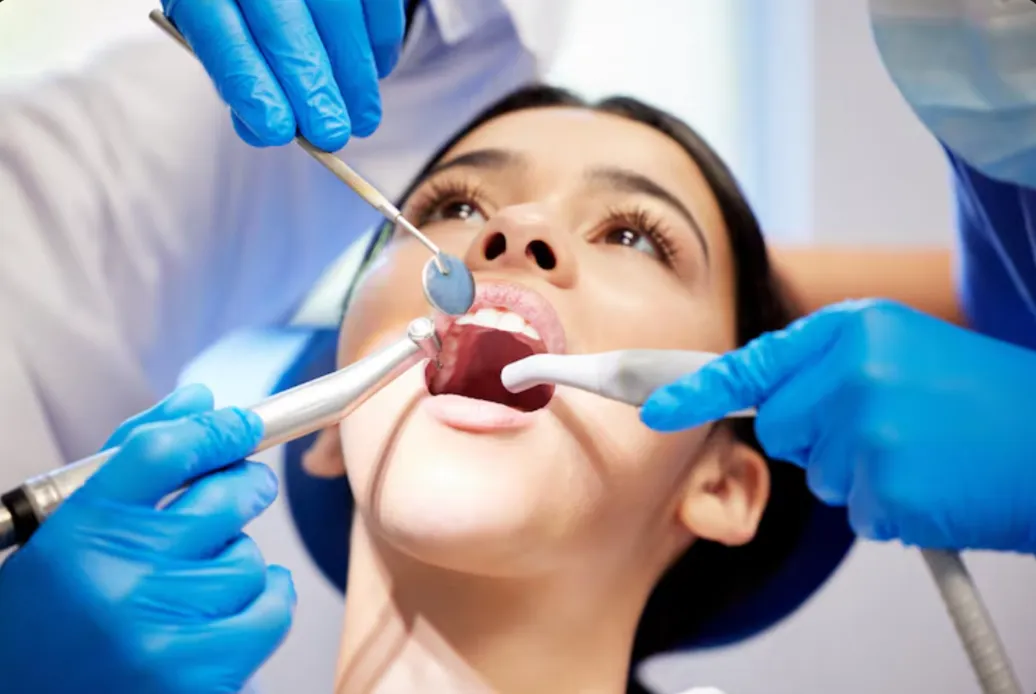
Have you ever considered why dentists emphasize dental cleanings so much? A bright smile is not just the thing to impress the people around you but it also prevents gum disease. Getting oral cleaning in Carstairs can help prevent gum disease, save your teeth, and lead to good oral health.
Why is Oral Cleaning So Important?
Gum disease begins silently. Plaque and tartar that form on your teeth can cause inflammation of the gums and bleeding. If ignored, it could even result in the loss of teeth. Getting your teeth cleaned near you regularly prevents these from causing irreversible damage.
A cleaning by a professional means that your hygienist will remove plaque from hard-to-reach areas, polish your teeth, and check for any signs of early gum disease. It’s an easy thing you can do that will save you from complicated treatments later.
How Does Oral Cleaning Prevent Gum Disease?
Oral cleaning near you is a good way to keep gum disease at bay, as it removes the bacteria and buildup that brushing and flossing can hardly reach. So, what exactly is the process?
- Removes plaque and tartar: Bacteria are thus prevented from destroying the gum tissues.
- Reduces inflammation: Gums in good condition will result in less swelling and bleeding.
- Detects early signs: Professionals are able to recognize and treat gingivitis before it develops further.
- Prevents bone loss: Gums that are free of infection will be able to keep the bone that supports your teeth strong.
If you also undergo regular cleanings at a dental clinic near you, your mouth will be fresh, healthy, and free of any disease.
Professional Gum Disease Prevention Techniques
Oral health is maintained by a dentist in Carstairs through various professional gum disease prevention methods that you may not be aware of. Some of these are:
- Scaling and root planing to thoroughly clean the area under the gums
- Antibacterial rinses to minimize the chance of infection
- Laser cleaning to help the removal of tartar in a very gentle manner
- Regular check-ups of gum health to monitor the slightest changes at the early stage
Each session is tailored to your requirements; thus, your gums will be kept in good condition and be resilient.
Daily Habits to Support Gum Health
Professional cleanings are beneficial, yet daily home Care is equally important. We have some good long-term oral health maintenance tips.
- Brush twice a day with a soft-bristle toothbrush
- Floss daily to clean between teeth
- Use mouthwash to kill leftover bacteria
- Eat a balanced diet low in sugar
- Avoid smoking, which increases gum disease risk
Good habits, when combined with yearly dental checkups, can assist you through a lifetime of healthy gums.
Signs You Might Need a Dental Cleaning Soon
If you have noticed any of these symptoms, get a cleaning booked with a dentist near you!
- Bleeding or swollen gums
- Persistent bad breath
- Loose or shifting teeth
- Gum recession
- Tartar buildup along the gumline
If you ignore them, you will end up with advanced gum disease that needs more treatment.
Take the First Step Toward Healthier Gums!
Want healthy gums and a bright smile? Routine cleanings can prevent gum disease from happening. Make an appointment today with Mountain View Smiles for that fresh, lasting smile!
📍 Find Mountain View Smiles – your trusted dental destination for exceptional care.
FAQs
How often should I get a professional oral cleaning?
Most people need to get their teeth cleaned every six months, but some require more.
Does oral cleaning hurt?
No, it’s usually painless. You might feel a bit of pressure or sensitivity, but it won’t last.
Can gum disease be reversed?
If you have consistent cleanings and proper oral hygiene, you can reverse gum disease.
What happens if I skip cleanings for too long?
If you avoid having the cleaning done, plaque and tartar can build up. When this happens, you risk gum infections and tooth loss.