

Waking up with a dull headache or a sore jaw can be more than just a sign of a bad night’s sleep. Many people suffer from bruxism, a condition where you unconsciously clench or grind your teeth while sleeping. Because this happens while you are unconscious, the damage can go unnoticed for years until significant wear occurs. Identifying the symptoms early is the best way to protect your enamel and prevent chronic discomfort.
A simple protective barrier can make a world of difference in your quality of life, helping you wake up feeling refreshed rather than pained. Taking action now ensures your smile stays strong and your jaw remains relaxed for the long term.
Recognizing the Common Symptoms of Bruxism
Since grinding happens in your sleep, you have to look for the “footprints” it leaves behind in the morning. If you are curious about night guards in Carstairs, the first step is knowing which physical cues to watch for during your morning routine.
- Morning Headaches: A tight, dull ache that starts in the temples and feels like a tension headache.
- Jaw Tenderness: Feeling like your jaw muscles are tired or “tight” as if you’ve been chewing something challenging all night.
- Earaches: Pain that feels like it is inside your ear but is actually coming from the jaw joint nearby.
- Sleep Disruption: Grinding can be loud enough to wake you up or even disturb a partner sleeping next to you.
How Your Teeth Show Signs of Stress
Over time, the constant pressure of clenching can physically change the appearance of your smile. A dentist in Carstairs can often spot these signs during a routine exam before you even realize there is a problem.
- Flattened Edges: The tops of your teeth may look unusually flat or worn down, especially the canines.
- Chipped Enamel: Small pieces of the tooth may break off near the chewing surface or the gum line.
- Increased Sensitivity: As enamel wears away, the inner layers of the tooth become exposed to hot and cold.
- Scalloped Tongue: Look for indentations or “ridges” on the sides of your tongue caused by pressing it against your teeth.
The Science Behind Protective Oral Appliances
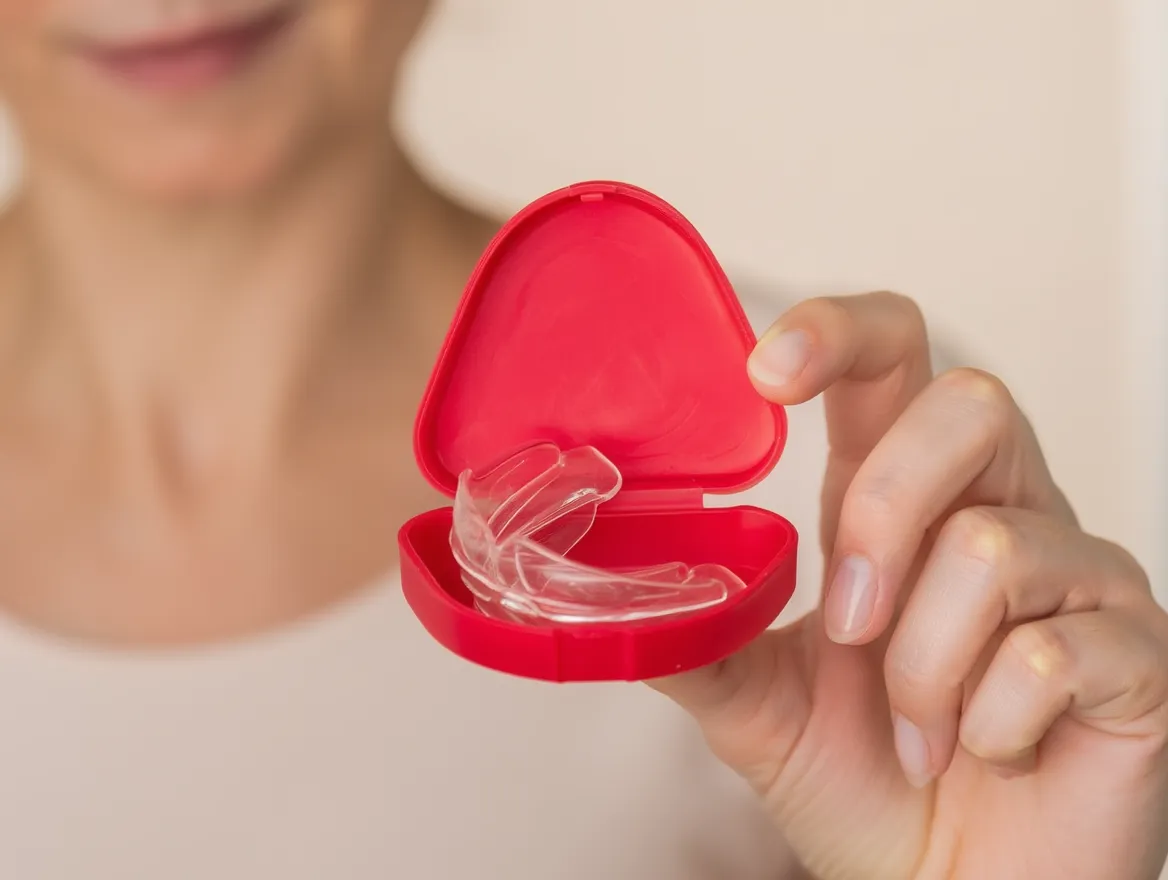
When a diagnosis is made, the most common and effective solution is a professional appliance. Getting custom night guards for teeth grinding and jaw pain provides a tailored fit that over-the-counter options cannot match.
- Shock Absorption, because the guard acts as a cushion, taking the brunt of the force so your teeth don’t have to.
- Muscle Relaxation, which helps keep the jaw slightly apart, the guard prevents the muscles from thoroughly engaging and tensing up.
- Joint Protection, because it helps reduces strain on the Temporomandibular Joint (TMJ), helping prevent long-term clicking or popping sounds.
- Modern materials are thin and comfortable, allowing you to breathe and speak normally.
Why Professional Fitting Outperforms Store-Bought Kits
It can be tempting to grab a “boil-and-bite” kit from a pharmacy, but searching for night guards near you made by a professional is a much safer bet. A guard that doesn’t fit right can actually make your jaw pain worse by shifting your bite.
- Precision Fit: A professional guard is made from a digital or physical mold of your exact tooth alignment.
- Durability: Professional-grade acrylics last much longer than soft store-bought plastics.
- Thin Profile: Custom guards are less bulky, making it much easier to fall asleep and stay asleep.
- Adjustability: Your provider can tweak the fit over time to ensure it remains comfortable as your mouth changes.
Long-Term Benefits of Prevention
Investing in night guards in Carstairs is not just about stopping a current headache; it is about avoiding major dental work in the future. Prevention is always more affordable than restoration.
- Once enamel is gone, it doesn’t grow back. A guard keeps your natural protection intact.
- Severe grinding can crack teeth, requiring expensive crowns or root canals.
- When your muscles are relaxed, your body can reach deeper levels of restorative sleep.
- Extreme pressure can sometimes cause gums to recede; a guard helps maintain gum health by reducing stress.
Finding Support at a Local Clinic
If you suspect you are grinding, visiting a dental clinic near you is the best way to get a definitive answer. A quick evaluation of your bite and a check for wear facets will tell the team exactly what is going on.
Rest Easy with a Protected Smile
Waking up without pain is possible with the proper protection. By choosing to address your grinding now, you are making a wise choice for your future oral health. You deserve to sleep soundly and wake up feeling your best, without the burden of jaw tension or tooth sensitivity.
At Mountain View Smiles, we are committed to helping you find relief from the symptoms of bruxism. Our team takes a personalized approach to ensure your appliance fits perfectly and provides maximum comfort. A healthy smile starts with proactive care and a gentle touch. If you are ready to protect your teeth and improve your sleep, we are here to support you every step of the way. Reach out to us today to schedule your consultation!
🦷 Protect your smile while you sleep – get directions to Mountain View Smiles for custom night guards.
FAQs
- How long does it take to get used to wearing a night guard?
Most people find it takes about 1 to 2 weeks of consistent use before the guard feels like a regular part of their sleep routine.
- Can I use a sports mouthguard for grinding?
Sports guards are too bulky and soft for sleeping; they can actually encourage you to chew on the plastic, which may increase jaw muscle pain.
- How do I clean my night guard?
Rinse it with cool water and brush it gently with a soft toothbrush and non-abrasive soap or a dedicated cleaner every morning.
- Will a night guard stop me from grinding altogether?
A guard doesn’t stop the “habit” of grinding, but it prevents damage to your teeth and relaxes the muscles to reduce pain.