

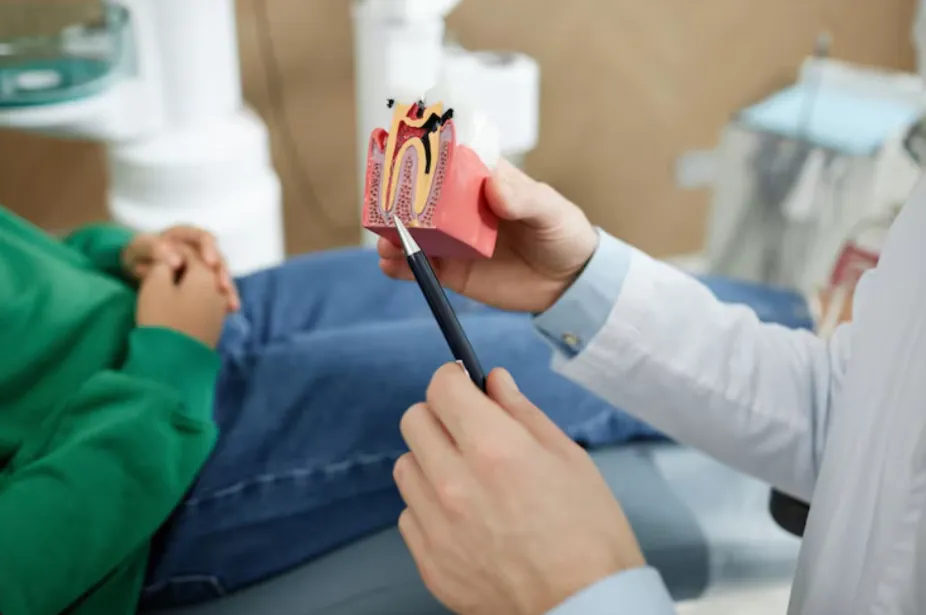
A root canal can save a damaged tooth, but proper care afterwards is just as important as the procedure itself.
If you recently had a root canal treatment in Carstairs, following the right aftercare steps can reduce discomfort, prevent complications, and help your tooth heal efficiently.
Understanding Root Canal Recovery
After a root canal, your tooth and surrounding tissues need time to recover.
It’s normal to experience mild soreness or sensitivity for a few days. This is part of the healing process and usually subsides within a week.
Avoid chewing hard foods on the treated tooth until your dentist advises otherwise.
What are the Essential Aftercare Tips for Faster Healing
- Manage Pain Carefully: Over-the-counter pain relievers like ibuprofen can help manage post-procedure discomfort. Your dentist may also recommend stronger medication if necessary.
- Maintain Oral Hygiene: Brush gently and floss around the treated tooth to keep it clean, avoiding irritation to the area.
- Eat Soft Foods: Stick to soft, non-sticky foods in the first few days to prevent unnecessary pressure.
- Avoid Tobacco and Alcohol: Both can delay healing and increase the risk of infection.
How to Recognise the Warning Signs
While a mild soreness is normal, you should watch for signs of infection or any complications like those listed below:
- Swelling around the treated tooth or gums
- Persistent pain that doesn’t improve with medication
- Fever or general malaise
- Pus or discharge from the treated area
If any of these occur, contact your dentist in Carstairs immediately.
What are the Post–Root Canal Pain Management Techniques
Even after receiving basic care, there are chances for a little discomfort to continue. Below are some tips to manage this continuing discomfort:
- Apply a cold compress to the outside of your cheek for 10–15 minutes at a time.
- Avoid chewing on the treated tooth until it is fully restored.
- Take prescribed medications exactly as instructed by your dentist.
These methods help minimise pain and support faster recovery after receiving root canal treatment near Didsbury.
How to Prevent Infection After Root Canal Treatment
Infections can occur if bacteria enter the treated area. To prevent this:
- Keep up with regular oral hygiene, brushing and flossing carefully.
- Attend follow-up appointments to ensure the root canal is healing correctly.
- Report any unusual symptoms to your dental clinic near you without delay.
By taking these steps, you reduce the risk of further complications and ensure the longevity of your treated tooth.
When to Schedule Follow-Up Care
A dentist will begin by placing a crown or a filling on the treated area of the tooth to help restore its strength and appearance.
Visiting a dentist for follow-up visits will help you monitor the healing and make sure your teeth remain healthy.
Scheduling follow-up visits is crucial to monitor healing and ensure the tooth remains healthy.
Take Care, Heal Right
Proper aftercare can make a big difference in your root canal recovery.
By following your dentist’s advice, managing pain effectively, and keeping up with oral hygiene, you can help attain smooth healing without any trouble.
For professional guidance, schedule a visit to Mountain View Smiles, where our experienced team provides comprehensive root canal treatment near you and supports you every step of the way.
Your comfort, recovery, and long-term oral health are our top priorities.
👉 Make your visit smooth and stress-free. Click here for easy directions to Mountain View Smiles.
FAQs?
What symptoms are normal after a root canal treatment?
Mild soreness, tenderness, or sensitivity in the treated tooth and surrounding gums is normal for a few days. Some slight swelling or discomfort when chewing can also occur as your tooth and tissues heal.
How long does it take to heal after a root canal treatment fully?
Most patients feel significant improvement within a week, but complete healing can take a few weeks. The tooth’s internal tissues stabilise gradually, so follow-up care is important for long-term success.
When should a patient contact a dentist after a root canal treatment?
If pain worsens instead of improving, swelling persists, or you notice fever, pus, or unusual discharge, contact your dentist immediately. These may indicate an infection or complication that needs prompt attention.
Can a treated tooth get infected again after a root canal treatment?
Yes, though it’s rare. A tooth can become reinfected if bacteria enter through cracks, a loose filling, or a delayed restoration. Maintaining good oral hygiene and attending follow-ups helps prevent reinfection.