

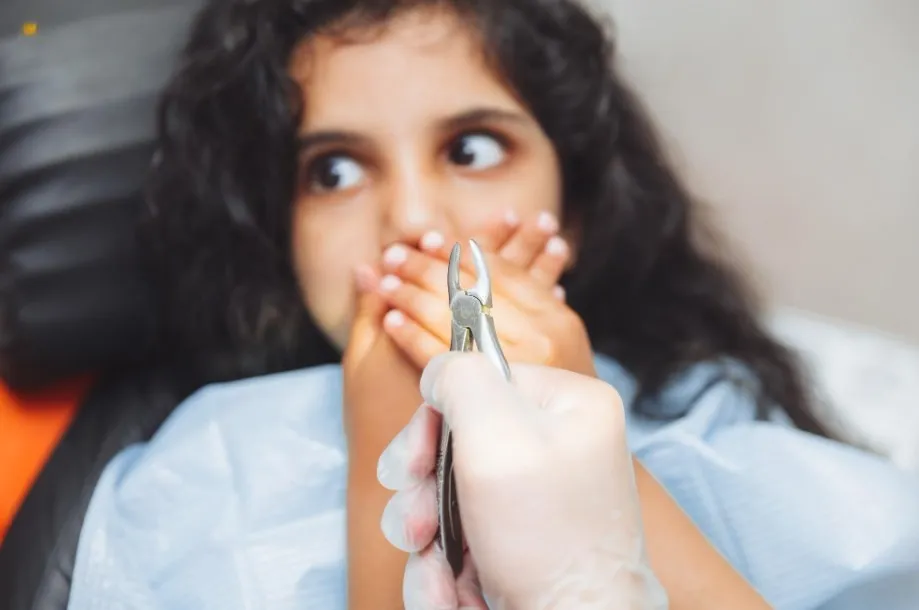
Tooth extractions can feel overwhelming, but with the right care, recovery can be smooth and fast. A dentist in Carstairs can guide you through the process and ensure your healing goes as planned. Understanding what to do and what to avoid after your tooth extraction is crucial for preventing complications and maintaining your mouth’s health.
Start with Proper Care Immediately
If you need a tooth extraction near you, it’s important to follow your dentist’s instructions. Right after the procedure:
- Bite gently on the gauze to stop bleeding.
- Keep your head raised to reduce swelling.
- Don’t rinse or spit hard for the first 24 hours.
- Apply a cold pack to your cheek to reduce swelling.
Practicing these techniques helps your mouth heal faster and reduces the risk of developing a dry socket after tooth extractions in Didsbury.
Dos After a Tooth Extraction
Taking care of your mouth after a tooth extraction in Carstairs helps you heal faster. Here’s what to do:
- Eat soft foods: Try mashed potatoes, yogurt, or soup, which are gentle on the area.
- Keep your mouth clean: Brush gently and rinse with warm salt water after the first day.
- Rest well: Avoid strenuous activities for a few days to allow your body to heal.
- Take the medicine as directed: Use any painkillers or antibiotics your dentist prescribes.
Don’ts After a Tooth Extraction
Knowing what to avoid after a tooth extraction prevents complications and speeds up recovery. Common don’ts include:
- Smoking or tobacco: It can slow healing and increase infection risk.
- Alcohol: It can affect medicine and slow recovery.
- Hard or crunchy foods: Nuts, chips, and sticky candy can hurt the area.
- Avoid touching the area: Don’t poke it with your tongue or fingers, as this may cause bleeding.
- Rinsing or spitting hard: Forceful rinsing can dislodge the clot and cause dry socket.
Week-by-Week Recovery Tips
Knowing the expectations each week will help you follow the right path:
- First 24 hours: The primary actions to take are controlling bleeding, icing the area, and resting.
- Days 2–3: The swelling and pain will be at their worst; therefore, you should keep the treatment light and eat only soft foods.
- Days 4–7: You can start gently brushing your teeth, but it is still best to avoid eating any hard foods.
- After 1 week: Most of the swelling will be gone; you may feel a slight tenderness.
If you experience any unusual symptoms, such as severe pain, prolonged bleeding, or fever, contact your dental clinic in Didsbury immediately.
Common Mistakes People Make
Many patients unintentionally slow their recovery by:
- Using straws or spitting forcefully
- Eating hard or sticky foods too soon
- Ignoring prescribed medication schedules
- Smoking or using tobacco
- Not resting enough after the procedure.
Avoiding these mistakes can ensure a faster and smoother recovery.
Maintaining Long-Term Oral Health
After your tooth removal heals, taking care of your mouth is very important:
- Brush and floss carefully around the area
- Attend follow-up visits to monitor healing progress.
- Eat healthy foods to keep your mouth strong.
- Discuss with your dentist near you the option of replacing your tooth with implants or bridges if necessary.
- Useful care helps your mouth heal and keeps the other teeth healthy.
Recover with Confidence – Schedule Your Follow-Up Today!
Take care of your mouth after tooth removal to ensure proper healing. Book a follow-up appointment at Mountain View Smiles for advice, to check on your healing progress, and to ask any questions you may have. Our friendly team will help keep your smile healthy and pain-free.
➡️ Ready for quality dental care? Click here for easy directions to Mountain View Smiles.
FAQs
How long does it take to recover from a tooth extraction?
Most people start feeling better within 3–5 days, but full healing of the extraction site can take 1–2 weeks.
What foods should I avoid after a tooth extraction?
Avoid hard, crunchy, spicy, or hot foods that can irritate the extraction site. Stick to soft, cool foods like yogurt, mashed potatoes, and smoothies.
When can I brush my teeth after a tooth extraction?
You can gently brush your other teeth immediately, but avoid brushing near the extraction site for the first 24 hours. After that, brush the area carefully.
What are the signs of infection after a tooth extraction?
Watch for severe pain, swelling, pus, fever, or a foul taste in your mouth, as these may indicate infection and require prompt dental care.